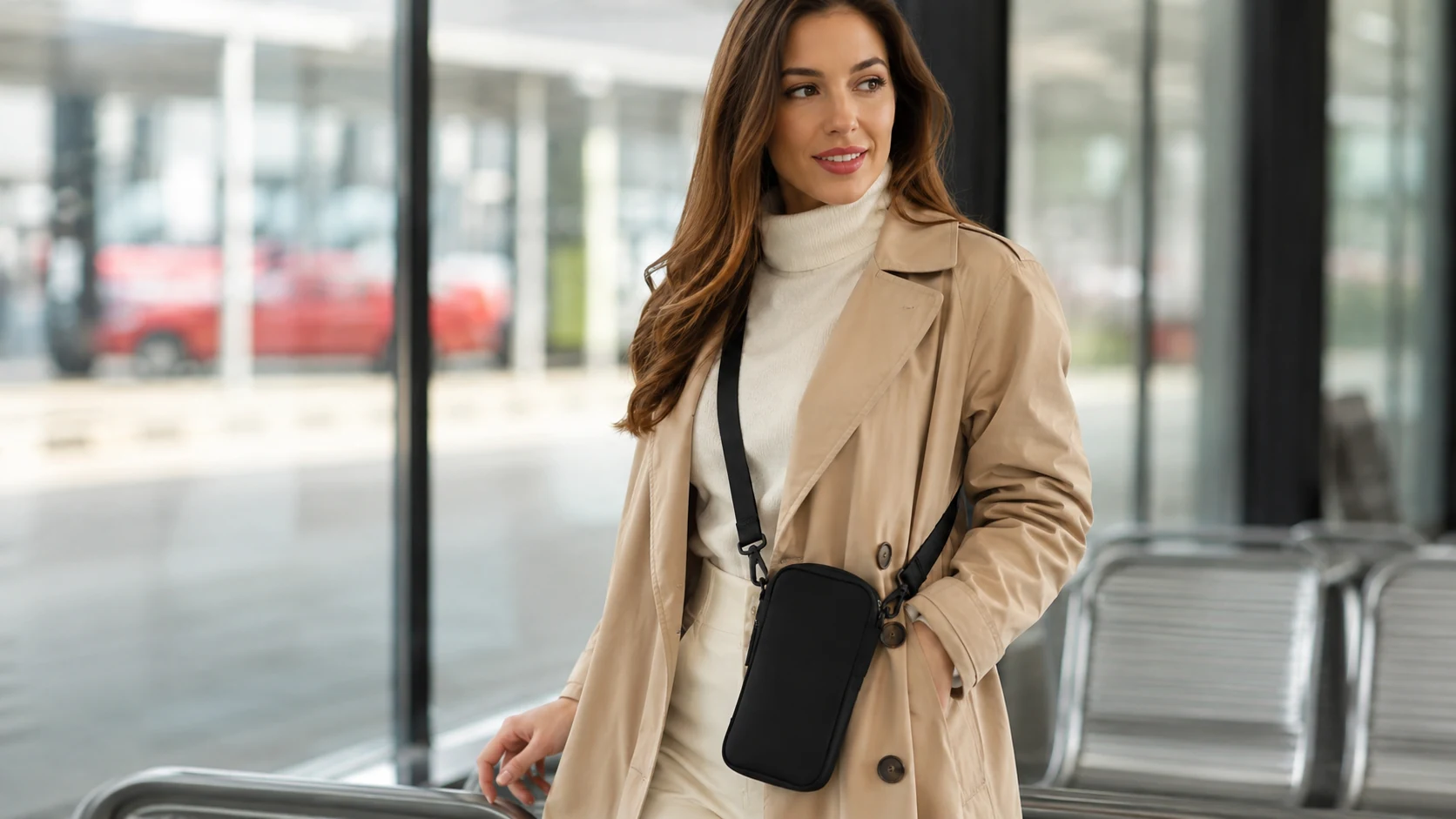
A buyer-and-seller practical guide to custom neoprene phone pouches for travel retail, events and lifestyle promotions.
Seller reality: Buyers do not only ask whether a product looks good. They also ask whether it is easy to explain, easy to reorder, and easy to match with different sales channels. That is exactly why product pages and articles should answer real buying questions instead of only showing photos.
Why this product makes sense in today’s market
People carry their phones almost constantly, so a product built around phone protection and convenient carry has a very natural sales story. Buyers do not need to imagine a complicated use case. They can picture it immediately.
For sellers, that direct relevance is powerful. It means the product can work in travel retail, branded events, lifestyle stores, resort programs, outdoor promotions and everyday accessories collections.
When a product already matches real daily behavior, it becomes much easier to market and much easier to reorder.
Why neoprene helps the product feel more premium
Neoprene adds a soft, slightly cushioned feel that fits the promise of protection. It also helps the pouch keep a cleaner shape than many ultra-thin fabric alternatives. That matters because customers often judge accessory value by touch and finish as much as by appearance.
For sellers, that tactile quality helps the conversation. It is easier to justify the product when the buyer sees that it is not just a thin sleeve with a strap, but a practical accessory with real carry value.
The material also supports clean customization, which is important when the target buyer wants visible but tidy branding.
Who typically buys this category
Travel buyers appreciate the convenience angle. Event buyers like the branded carry opportunity. Lifestyle stores like the simple silhouette and the chance to cross-sell it with bags, pouches and outdoor accessories.
It also works well in gift programs because it feels relevant to a wide audience. That makes it easier for sellers who want one product that can speak to different markets without major redesign.
In other words, this is not a niche-use item. It is a flexible everyday accessory with broader commercial potential than many sellers first assume.
What sellers should not overlook
Small accessories can look easy, but buyers still notice the details. Strap quality, closure type, stitching cleanliness, inner fit, material thickness and overall balance all affect whether the product feels trustworthy.
If the pouch is meant for events or travel, buyers may also ask about carrying comfort, whether cards or small extras fit inside, and whether branding stays visible without making the product look too busy.
Good content should answer these points directly. That is how you reduce hesitation and help the buyer move faster.
How to make the article and the product page work together
A strong seller-focused article should not repeat the product page word for word. Instead, it should address the practical worries sellers really have: Will it fit my market? Will the buyer understand it? Will custom branding look clean? Will it be easy to reorder?
Then the product page can handle the concrete details like size, material, logo method and delivery preparation. When both pieces work together, the article brings in interest and the product page helps close the decision.
That is the real goal: not just traffic, but better-qualified inquiries from buyers who already understand the value of the product.
Need a supplier who understands seller concerns?
If you are planning a neoprene phone pouches program and want help with material options, logo methods, MOQ planning, packaging or delivery timing, our team can support both sampling and bulk quotation.